Reading Your Cuts: The Nose Knows Before the Hydrometer
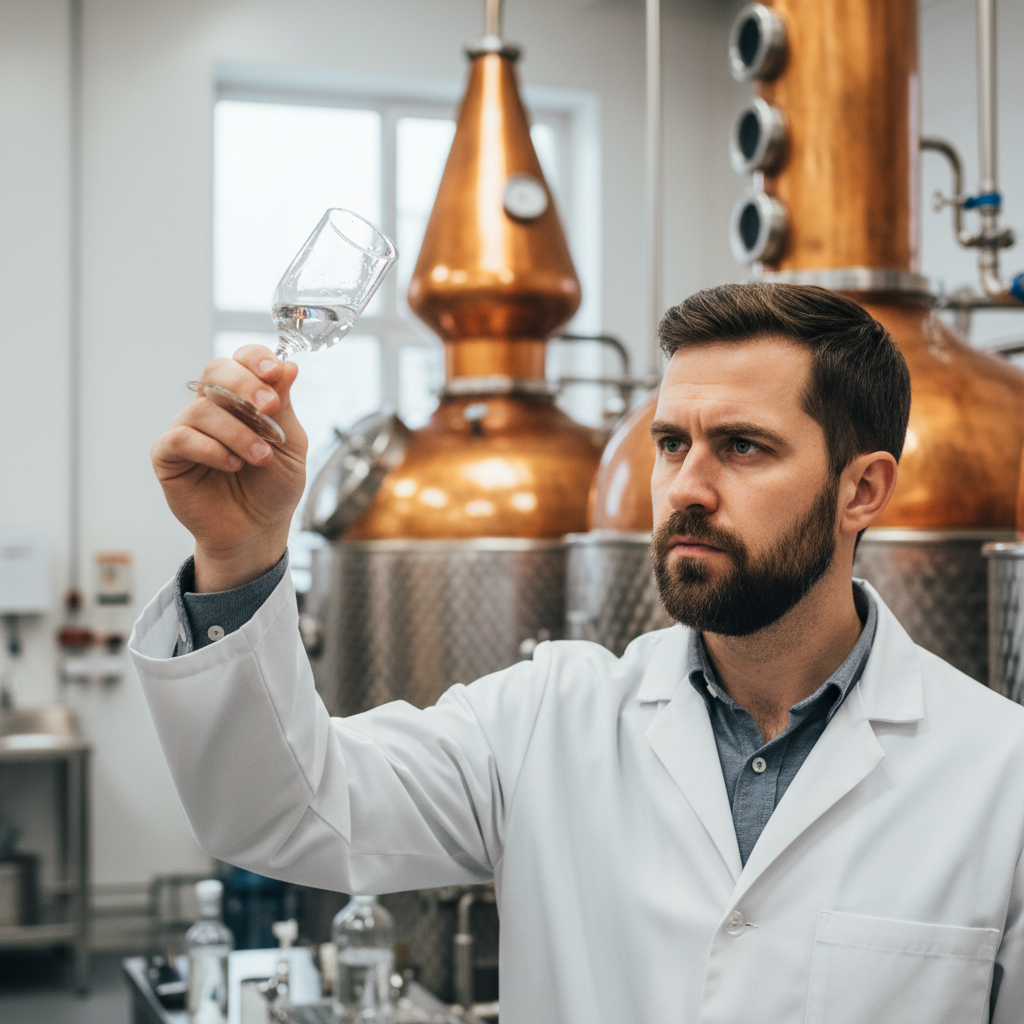
The foreshots smell like solvent. The hearts smell like your spirit. The tails smell like the grain telling you it's done. Learning to distinguish them is the first real skill.
12 min readWe distill because patience is a flavor.
Every cut tells you something about who you are as a distiller.

The foreshots smell like solvent. The hearts smell like your spirit. The tails smell like the grain telling you it's done. Learning to distinguish them is the first real skill.
12 min readThe glass never lies. Your nose might, but the glass never does.
Green apple, light acetone (foreshots blended), beeswax, dried grass
Thin mouthfeel at 55% ABV, floral mid, short finish with a hint of new oak
"Give it six more months in the barrel. It's not done talking yet."
Burnt sugar, leather, overripe banana, slight sulfur (dissipates)
Heavy and oily. Long finish. The molasses is still arguing with the oak.
"This one is worth bottling. The sulfur is a feature, not a flaw."
Juniper forward, then lemon verbena, lavender, soft pine resin
Crisp entry. Botanicals integrated. Clean finish that lingers like a memory.
"Best batch yet. The lavender ratio finally works at 3:1 against juniper."
Tasting
Your still is a workshop, not a factory.
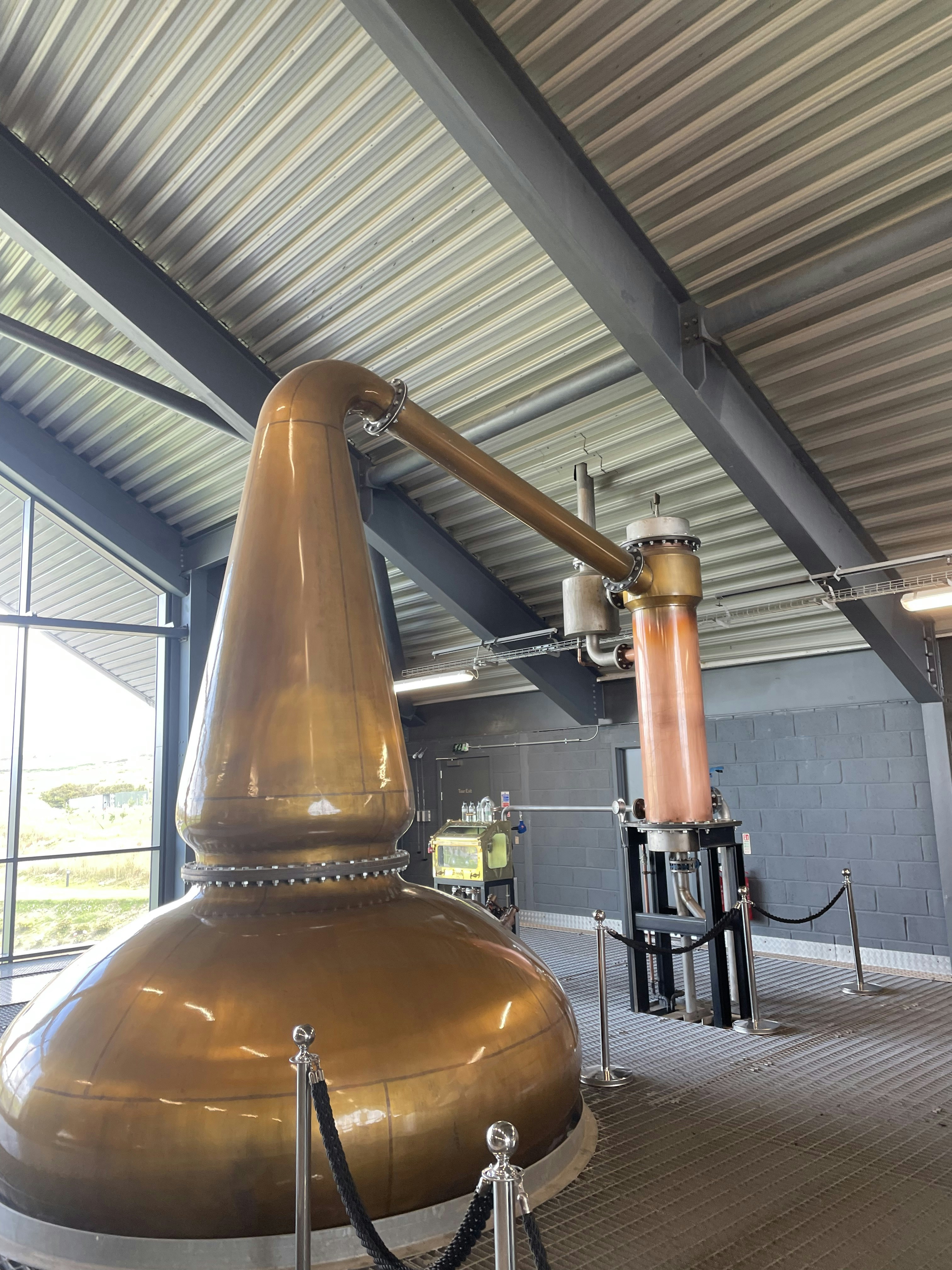
A pot still gives you flavor and forgiveness. A column still gives you efficiency and control. Most home distillers who start with a column eventually build a pot. The flavor is the point.
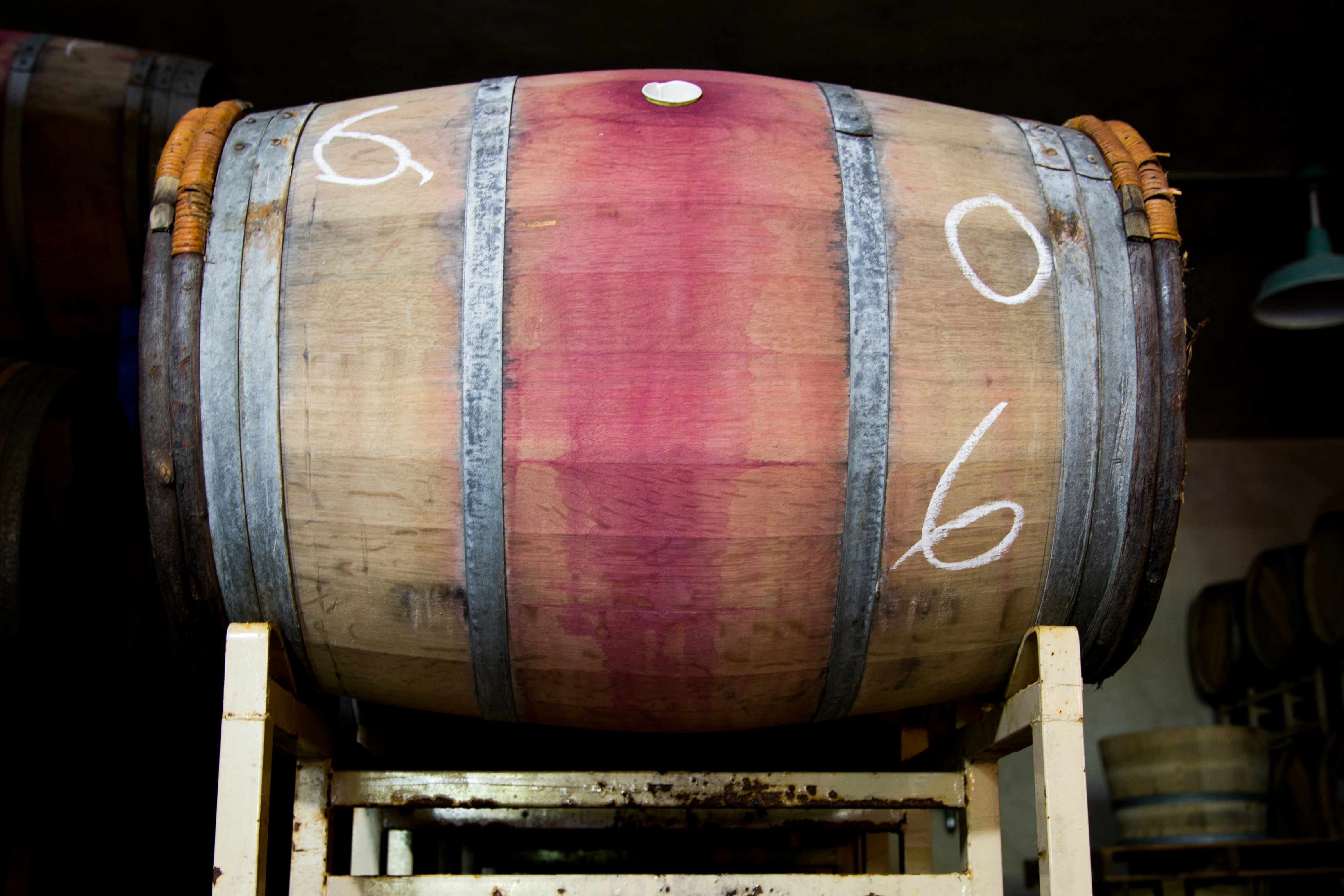
American white oak at a #3 char. Toasted vs. charred is not a preference — it's a chemistry question. Toasting develops vanillins. Charring creates the carbon filter that smooths the spirit over time.

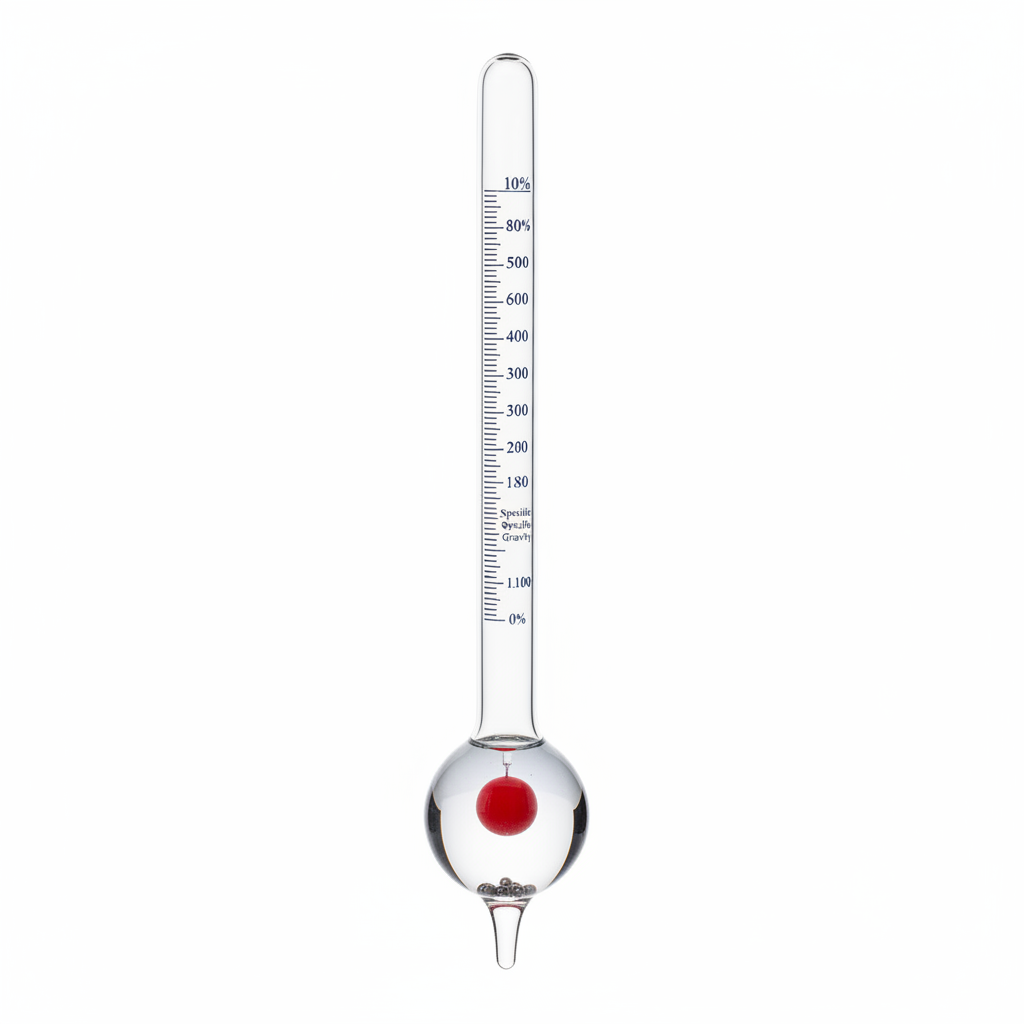
The parrot catches your distillate and holds it against the hydrometer so you can read proof continuously. The refractometer tells you your wash is ready. Neither replaces your nose, but both confirm what your nose suspects.
The best distillers we know learned in rooms where everyone was honest about their failures.
Still's community is organized into cohorts by experience level and spirit focus. The quiz places you in the right room. The conversation takes it from there.
You've done your research. You have your setup. You just haven't run it yet. This cohort walks through the first legal run together — mash to cut — with real distillers who remember what that first day felt like.
You've run a still. You want better cuts, more consistent hearts, less variation batch to batch. This cohort is for distillers who are chasing the same quality in run six that they accidentally hit in run two.


Heritage grains, single-variety malts, heritage corn varieties. If you've sourced grain directly from a farm and tracked its effect on your wash, this is your cohort. We're going deep on the agricultural side.
Not sure which cohort fits?
Five questions. Two minutes. A personalized content map, reading path, and cohort invitation waiting on the other side.